Back to selected work

Learning platform

Gyanoda
case study.

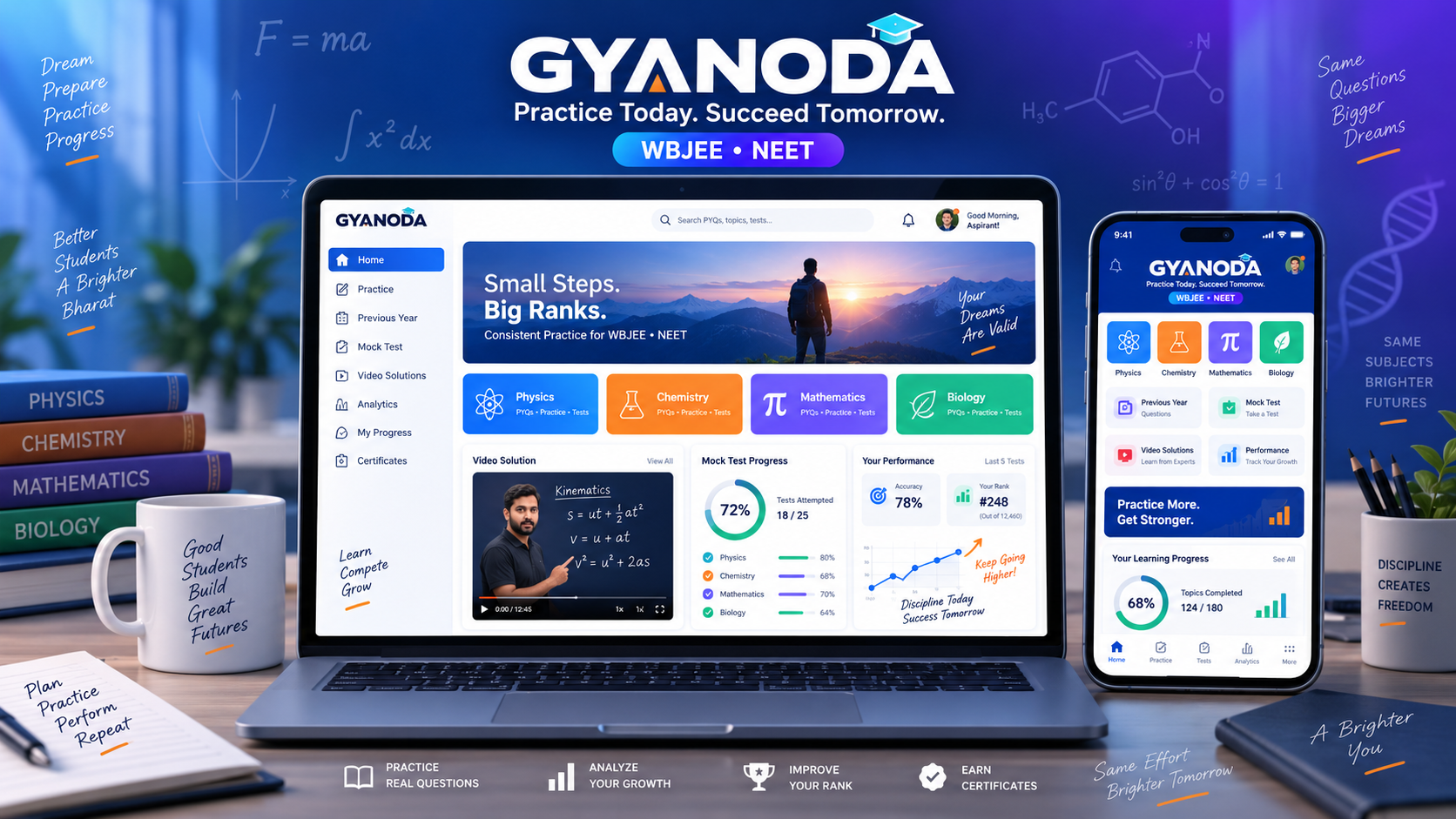
A digital learning ecosystem helping students discover courses, practise effectively and make clear progress across web and mobile.

Gyanoda interface and project preview
4Core technologiesFullCase studyUXUser focusedWebResponsive

Why Gyanoda needed to exist.

Past papers, practice material and progress tools are frequently fragmented or difficult to use on mobile devices.

A learning ecosystem organizes exam resources, structured practice and progress across accessible web and mobile products.

Who it serves

Students preparing for competitive examinations across web and mobile.

Business value

Improves learner retention and creates a scalable foundation for educational content and premium services.

Designed around the essential workflow.

01

Past-year question papers

Designed as part of a cohesive learning platform experience, with clarity, reliability and practical use in mind.

02

Structured exam practice

Designed as part of a cohesive learning platform experience, with clarity, reliability and practical use in mind.

03

Web and mobile access

Designed as part of a cohesive learning platform experience, with clarity, reliability and practical use in mind.

04

Student progress journey

Designed as part of a cohesive learning platform experience, with clarity, reliability and practical use in mind.

Value for users and the business.

Centralizes study resources

Supports consistent practice

Extends access across devices

Built with constraints in view.

Content quality needs ongoing review

Offline and low-bandwidth support affect reach

ReactNode.jsMobileEdTech
01

Discover

Understand the users, business objective and constraints.

02

Design

Map the core journey and reduce unnecessary interaction.

03

Build

Implement maintainable interfaces, services and data flows.

04

Validate

Test behavior, responsiveness and failure paths before release.

Project by Sandipan Das

Have a similar
problem to solve?

Start a conversation View live project